The NQ can look perfectly clean one minute, then rip through your stop, reverse 40 points, and continue in the direction you expected all along. That is the frustration behind the question, what causes NQ whipsaws? The answer is not that the market is random or that you need five more indicators. Most NQ whipsaws come from a handful of repeatable conditions: thin liquidity, aggressive order flow, news-driven repricing, and traders entering at the worst possible location.
The Nasdaq futures market moves fast because it is packed with technology-heavy stocks, institutional flows, automated execution, and retail traders chasing momentum. Speed creates opportunity. It also punishes hesitation, late entries, oversized positions, and trades taken in the middle of messy price action.
If you want fewer stop-outs, drop the nonsense and noise. Stop trying to predict every tick. Learn what environment you are trading before you pull the trigger.
What Causes NQ Whipsaws in Futures Trading?
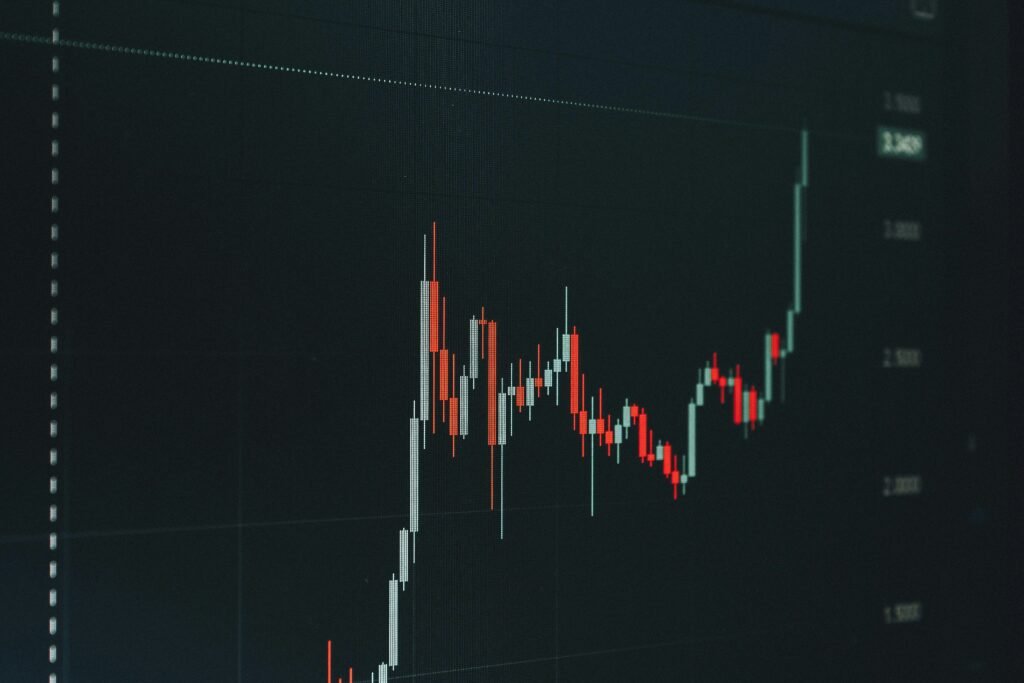
A whipsaw is a sharp move in one direction that quickly reverses, often trapping traders on both sides. On an NQ chart, it may appear as a breakout above resistance that fails immediately, a breakdown that snaps back through the range, or a series of fast candles that repeatedly cross the same level.
Whipsaws are not one thing. They are the result of price searching for liquidity while competing participants disagree on value. Buyers may push above a prior high to trigger stops and breakout entries. Once that liquidity is filled, sellers step in and price falls back into the range. The same process happens below lows.
That is why an obvious support or resistance level can be dangerous when you enter blindly. The level matters, but the reaction at the level matters more.
Liquidity gets thin at the wrong time
NQ trades nearly around the clock, but it does not trade with the same depth all day. The opening hour, major news releases, lunch, the final hour, and overnight sessions each behave differently. When fewer orders are resting near price, a relatively small burst of market orders can push NQ farther than traders expect.
Thin liquidity creates exaggerated candles. A trader sees a breakout, assumes strong conviction, and buys the extension. But the move may have been caused by a temporary lack of offers rather than sustained demand. When liquidity returns, price snaps back.
This does not mean you should never trade volatile periods. It means your expectations, stop placement, and position size must match the environment. A 15-point stop that works during a balanced midday range may be meaningless during a hot opening drive.
Stops cluster around obvious levels
The NQ is drawn to obvious liquidity. Prior day highs and lows, overnight extremes, session highs, VWAP areas, round numbers, and tight consolidation boundaries attract orders. Traders place stops there because those levels are visible. Breakout traders also enter there because the move looks confirmed.
That concentration of orders can fuel a fast push through the level. The key question is whether price can hold beyond it. A real breakout generally shows acceptance: price stays above the level, pullbacks are defended, and the market builds rather than instantly collapses. A liquidity grab usually shows rejection: a quick push, stalled follow-through, and a move back inside the prior range.
Do not treat the first tick above a high as proof. Let the market show whether the level has actually changed from resistance into support.
Algorithms magnify short-term movement
Automated trading is not a secret villain, and it is not an excuse for bad execution. But it does influence how NQ moves. Algorithms react to order flow, volatility, correlated markets, options hedging, and price changes in major Nasdaq names. They can add momentum when conditions align, then pull liquidity or reverse quickly when conditions change.
For a discretionary trader, this often feels like a fake move. Price breaks, accelerates, pauses for a second, then reverses hard. The better response is not to fight machines with more prediction. Use a rules-based entry process that requires location, confirmation, and defined risk.
Fast markets reward preparation. If you are deciding where your stop belongs after you are already in the trade, you are late.
News Can Turn a Clean Setup Into a Whipsaw
Economic releases can change NQ behavior in seconds. CPI, PPI, jobs data, FOMC statements, Fed press conferences, consumer sentiment, and major earnings can all create two-way action. The first move after a release is not always the real move. It may be an immediate reaction to one number, followed by a reversal as institutions digest revisions, wage data, guidance, or the implications for interest rates.
NQ is especially sensitive to yields and rate expectations. When yields jump, high-growth technology stocks can come under pressure. When yields fall, NQ may bid aggressively. But correlation is not a guaranteed trade signal. On a news day, the market can reverse several times before it establishes direction.
If your system is designed for orderly intraday structure, standing aside for the initial news burst is not weakness. It is risk management. There will be another setup after the dust settles. Prop firm traders, especially, do not need to prove they can survive every wild candle. They need controlled drawdown and repeatable execution.
The Middle of the Range Is a Whipsaw Factory
Many traders blame the NQ when the real problem is trade location. They buy after price has already traveled from support into the center of resistance. They short after a breakdown directly into support. Then they wonder why price turns against them.
The middle of a range offers the least favorable clarity. Buyers and sellers are both active, neither side has full control, and price can rotate back and forth without warning. That is where indicators tend to flash conflicting signals because the market itself is conflicted.
A better approach is to define the range first. Identify the high, low, key intraday reference points, and where price is relative to them. Then choose between two clean ideas: trade a confirmed rejection at an edge, or trade a confirmed break and retest after price accepts outside the range.
There is a trade-off. Waiting for confirmation can mean missing part of a fast move. Entering early may improve reward-to-risk, but it also exposes you to the very sweep that creates the whipsaw. There is no magic setting that removes that trade-off. A clear process lets you choose it deliberately rather than emotionally.
Why Late Entries Get Hit So Often
NQ punishes chasing. A large green candle can make a move feel urgent, especially after you watched it develop without entering. But a late entry often means you are buying directly into profit-taking or selling directly into short covering.
Momentum is useful when it begins from a defined area and has room to travel. It is dangerous when it is already extended into a prior high, a target zone, or a major liquidity pool. Before entering, ask a simple question: if the move is real, where is the next logical objective? If that objective is only 10 points away and your stop needs 20 points, the trade is not attractive no matter how exciting the candle looks.
This is where predefined targets and stops remove decision friction. You do not need to debate with yourself while price is racing. You either have enough room for the trade, or you do not.
How to Trade NQ Without Feeding the Whipsaw
You cannot eliminate whipsaws. You can stop volunteering for the worst ones. Start by trading fewer locations, not more indicators. Mark the levels where liquidity is likely to matter, then wait for price to reveal whether it is accepting or rejecting those areas.
Use a fixed risk framework that fits NQ volatility. Your stop should sit beyond the point that invalidates the setup, not at a random dollar amount that feels comfortable. If the correct stop is too wide for your account or prop firm rules, reduce size or skip the trade. Do not tighten the stop just to force a position.
Also separate a losing trade from a bad trade. A valid setup can fail. That is trading. A bad trade is one taken without location, confirmation, or a logical risk plan. Review those separately. If every loss gets labeled a whipsaw, you will never find the real execution leak.
A structured chart workflow can help here. Quantum Navigator is built around the idea that you should know the entry area, invalidation point, and profit objective before emotion gets involved. That will not make NQ gentle. It gives you a way to respond when it is not.
The Best Defense Is Selectivity
The NQ does not owe you a smooth trend every morning. Some sessions are built for momentum. Others are built to trap breakout traders until a larger catalyst arrives. Your job is not to trade every move or win every reversal. Your job is to recognize when price is clean enough for your rules and stay out when it is not.
When NQ starts chopping through the same levels, treat that information as a warning, not an invitation. Protect your capital, wait for acceptance or rejection at a meaningful area, and take the next trade from structure instead of frustration.