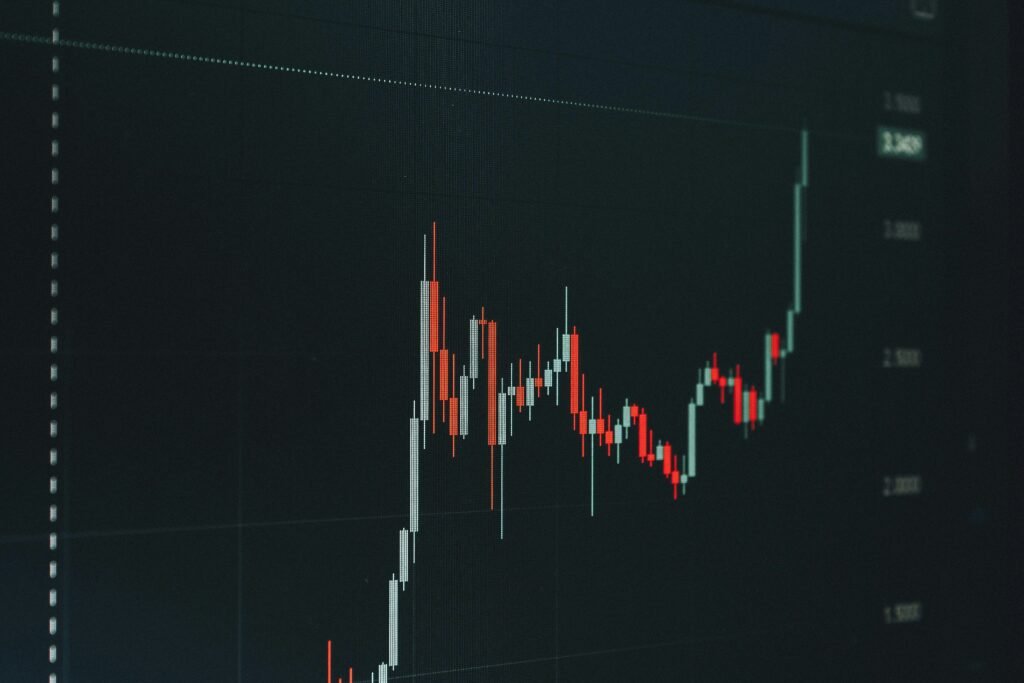
The NQ volatility filter is the line between taking a planned setup and forcing a trade because you are tired of waiting. Nasdaq futures can move hard, reverse faster, then spend 30 minutes grinding through levels that looked perfect five minutes earlier. If you trade NQ without filtering for current conditions, you are not just trading your setup. You are trading randomness, spread expansion, momentum bursts, and emotional pressure.
That is where traders get trapped. They add another oscillator, change their moving averages, and blame the indicator when a clean-looking entry fails. Drop the nonsense and noise. The issue is often not the entry signal. It is that the market environment did not support the trade.
What an NQ Volatility Filter Actually Does
An NQ volatility filter tells you whether current price movement is suitable for the type of trade you want to take. It is not a magic green light. It is a decision tool that answers a simpler question: is NQ moving enough, too much, or in the right way for this setup?
For a scalper, low volatility can mean a lack of follow-through. Price pokes above a level, triggers a long entry, and immediately falls back into the same narrow range. Your target is technically possible, but there is no real participation pushing price toward it.
Extreme volatility creates the opposite problem. NQ may be moving 20 to 40 points in seconds, with sharp wicks and rapid reversals. A normal stop that works during an orderly session may be too tight. A wider stop may keep you in the trade but create unacceptable risk, especially in a prop firm account.
The filter helps you avoid treating every candle, every breakout, and every opening range setup as equal. They are not equal. A 10:15 a.m. Eastern breakout after a quiet open has different odds than a breakout during a major economic release or a violent trend day.
Why NQ Traders Need More Than a Directional Signal
Direction is only one part of a trade. You can correctly identify bullish structure and still lose because the market is too slow to reach your target before reversing. You can identify a bearish breakdown and still get stopped because volatility is so elevated that a routine pullback becomes a 25-point snapback.
NQ punishes traders who ignore this reality. The contract attracts attention because it moves, but that movement changes constantly. Some sessions offer clean rotations, controlled pullbacks, and obvious continuation. Others are a mess of overlapping candles, false breaks, and sudden liquidity grabs.
A directional signal says, “Here is where price may go.” A volatility filter adds, “Here is whether the current environment makes that idea tradeable.” That distinction matters when you are trying to keep drawdowns low and execute the same rules every day.
For prop firm traders, this is not a minor improvement. One bad trade taken during the wrong conditions can erase several disciplined wins. Passing an evaluation is rarely about finding a heroic trade. It is about cutting out the low-quality decisions that create unnecessary damage.
The Three Volatility Environments You Must Recognize
Dead or Compressed Price Action
Compressed conditions show up as narrow candles, repeated failures at both sides of a small range, and weak follow-through after breaks. The market may still produce trades, but it demands smaller expectations and more patience.
This is where traders often overtrade. They see every tiny push as the start of the move. In reality, NQ is rotating back and forth while larger participants wait for a catalyst. If your strategy requires expansion, momentum, or a clean push away from a level, compressed conditions are usually a reason to stand down.
That does not mean you must avoid every trade. It means your target, stop, and trade frequency must match the environment. A 30-point target in a market that has barely moved 15 points across multiple rotations is not confidence. It is hope.
Orderly, Tradeable Expansion
This is the environment most NQ day traders want. Price is moving with enough range to reach targets, but not so violently that every entry suffers a deep adverse swing. Pullbacks hold structure. Breakouts show follow-through. Risk can be defined before the order is placed.
An orderly expansion may happen after the cash open, after a clean range break, or during a trend continuation when price respects a key level. You are not trying to predict every tick. You are waiting for the market to show that it can move with purpose.
This is where a rules-based strategy earns its keep. When volatility, structure, and directional bias line up, you have a condition worth acting on. Your job is not to improvise. Your job is to execute the plan.
Excessive or Unstable Volatility
Fast markets can look exciting because the points are flying. They can also destroy accounts. Excessive volatility is marked by large candles, sudden reversals, slippage, broken support and resistance, and stops that get hit before the original idea has time to develop.
Scheduled news is an obvious example, but instability can appear without a headline. A thin midday tape can suddenly accelerate. A trend can become exhausted and start whipping both directions. If your normal stop is 15 points and the current one-minute candle is printing 18 to 25 points, the market is telling you something.
The answer is not always “trade bigger stops.” Sometimes the best trade is no trade. If your risk limit cannot accommodate the current movement, do not bend the rule to chase the opportunity.
How to Build an NQ Volatility Filter Into Your Routine
Start with a simple measurement of current movement. Average True Range, recent bar range, opening range size, and distance traveled from the session open can all provide useful context. You do not need five competing volatility studies. Pick one primary measurement and use it consistently.
For example, compare the current five-minute bar range to the typical range you see during your preferred trading window. If the bars are unusually small, you may require stronger confirmation before entering. If they are unusually large, you may reduce size, widen targets only when risk allows, or skip the setup entirely.
Then connect volatility to your actual strategy rules. This is the part most traders miss. A filter is useless if it does not change your behavior. Define what happens when conditions are too quiet, normal, or too aggressive.
Your rules might be straightforward: avoid breakout entries when the market is stuck inside a tight range; take standard setups only when price has enough room to your target; and pause new entries when volatility makes your predefined stop unrealistic. The exact thresholds depend on your timeframe, position size, and risk limit. The point is to decide before the trade, not after the loss.
Finally, review it with screenshots. After each session, mark the trades you took, the trades you skipped, and the volatility condition at the time. You will quickly see whether your losses cluster during dead chop, news-driven spikes, or late entries after the move has already expanded.
Match Stops and Targets to the Conditions
A volatility filter should never become an excuse to abandon risk control. If the market is moving faster, traders often widen stops without adjusting size or without checking whether the trade still fits their daily loss limit. That is how one trade turns into a rule-breaking event.
Instead, treat your stop as a business decision. It must sit beyond the point where your setup is invalid, and the dollar amount must remain acceptable. If those two requirements cannot coexist in the current market, skip the trade. There will be another setup.
Targets need the same logic. In quiet conditions, a smaller target may be realistic, but only if the reward still justifies the risk. In an expanding market, a runner may make sense, but only after the trade has paid you and structure remains intact. Do not turn every trade into a home run attempt because NQ had one big candle.
Stop Letting Volatility Turn Into Guesswork
The goal is not to catch every NQ move. The goal is to trade the conditions where your edge has a real chance to work. That requires structure before the entry, discipline during the trade, and the willingness to sit out when the market is not offering your setup.
Quantum Navigator is built around that kind of decision-making: clear chart conditions, defined risk, and fewer emotional calls in the moment. Stop bouncing from indicators and start asking whether the market is actually supporting the trade you want to take.
A good NQ volatility filter will not make losing trades disappear. It will do something more valuable: help you stop donating capital to conditions that never fit your plan in the first place.