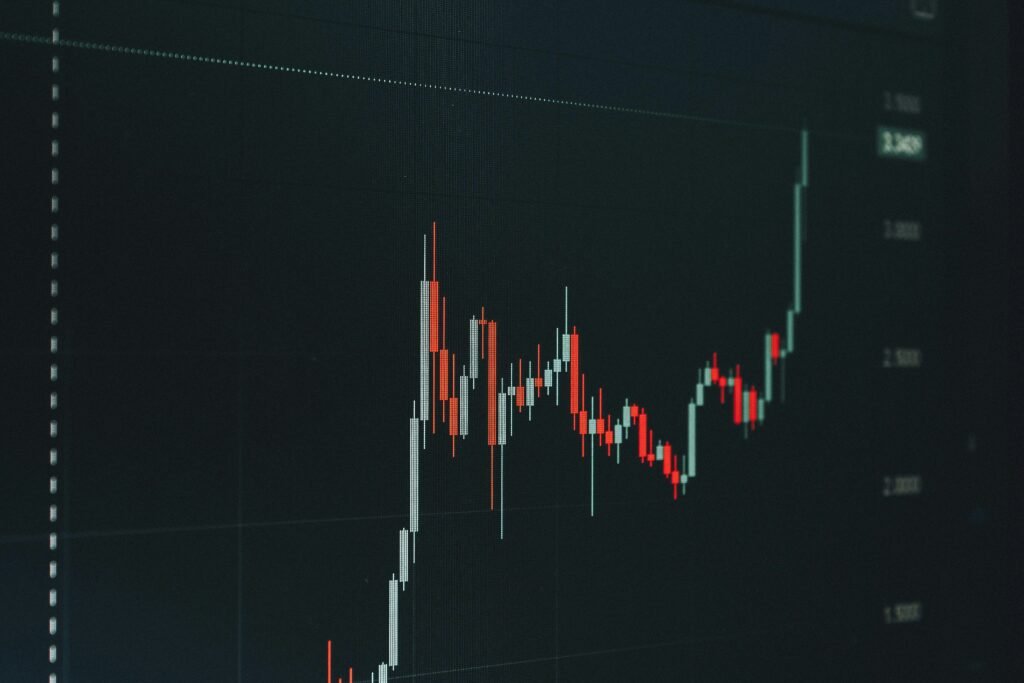
The NQ can move 20 points while a hesitant trader is still debating which indicator to trust. That is why NQ trading cannot be built on noise, opinions, or a chart loaded with conflicting signals. You need a repeatable decision process: identify the setup, define the risk, take the trade or pass, then manage it without improvising halfway through.
NQ futures reward speed and punish confusion. The goal is not to predict every tick or catch every move. The goal is to execute a small number of high-quality opportunities with defined entries, stops, and targets. Drop the nonsense and noise. Start trading a plan.
Why NQ Trading Feels So Different
The Nasdaq-100 futures contract, NQ, is known for momentum, sharp reversals, and sudden expansion around key levels. It can offer clean intraday movement, especially during the New York open, but that same speed creates problems for traders who enter late, widen stops, or chase a move after it has already traveled.
A setup that might give ES traders time to think can be gone in seconds on NQ. That does not mean NQ is impossible to trade. It means your process has to be simpler. If your chart requires five indicators, three opinions from social media, and a fresh news headline before you can enter, you are already behind.
NQ also demands realistic position sizing. A stop that looks small in points can represent meaningful dollar risk, depending on the contract you trade. Micro Nasdaq futures can give newer traders more room to learn execution without taking oversized risk. The right size is not the one that creates the biggest payout fantasy. It is the one that lets you follow your rules after two losses in a row.
Build an NQ Trading Plan Before the Opening Bell
A real trading plan is not a vague promise to “be disciplined.” It tells you exactly what must happen before you take a trade and exactly what ends the trade. When the market accelerates, you should not be inventing rules. You should be following them.
Start With Location, Not a Random Signal
Every trade needs context. Mark the areas where price is likely to react before the fast action begins: prior day high and low, overnight high and low, session open, major intraday support and resistance, and obvious areas of consolidation. These are not magic lines. They are locations where order flow, trapped traders, profit-taking, or breakout participation can change the pace of the market.
Then wait for price to prove something at that location. A long setup near support is stronger when sellers fail to continue lower and buyers reclaim the level with momentum. A short setup near resistance is stronger when a breakout fails or buyers lose control after a push higher. The setup is not simply that price touched a line. The setup is the response.
Define the Entry Trigger
Your entry trigger should be visible and repeatable. That may be a pullback into a key level followed by confirmation, a breakout from a tight range with momentum, or a failed break that returns inside the prior range. Pick the patterns that fit your trading window and study them until you can recognize them quickly.
Do not enter because a candle “looks strong.” Define what strong means. Is price above your reference level? Did the market establish a higher low? Did momentum return after a controlled pullback? Is there enough room to the next target to justify the risk? Clear questions eliminate emotional entries.
This is where a chart-based, rules-driven workflow can reduce decision friction. Quantum Navigator is designed around that idea: show traders defined setup conditions rather than forcing them to bounce from indicator to indicator looking for permission.
Place the Stop Where the Trade Is Wrong
A stop is not a pain threshold. It is the point where the reason for the trade has failed.
If you entered long because price held support and reclaimed a level, the stop belongs beyond the structure that should have held. If price breaks that structure decisively, the long thesis is no longer valid. Taking the loss is not failure. Refusing to take it is where small, controlled losses become drawdown problems.
Avoid making the stop tighter just to increase your position size. A stop that sits inside normal NQ noise will get hit repeatedly, even if your directional idea was right. On the other hand, an overly wide stop can turn a decent setup into poor risk-reward. It depends on current volatility, the structure of the setup, and the distance to your target.
Set the Target Before You Click Buy or Sell
Targets should come from market structure, not hope. The next resistance zone, prior swing high, range boundary, or liquidity area can provide a logical place to scale out or close the position. If the next obstacle is too close, skip the trade. A perfect-looking entry with no room to work is not a quality opportunity.
Many traders damage good trades by changing the target every time a candle flickers. Decide whether your plan uses a fixed target, partial profits with a runner, or a trailing stop based on structure. Then test that approach over a meaningful sample of trades. You do not need a new exit method after every losing day.
The NQ Trading Mistakes That Drain Accounts
The biggest problem is usually not a lack of market knowledge. It is a lack of restraint. Traders see NQ moving, feel they are missing out, and enter at the worst possible location. They then react to every small pullback as if it were a full reversal.
Chasing is expensive because it puts your entry far from the logical invalidation point. The stop becomes too wide, or the trader squeezes it too tight. Either way, the trade begins with weak math. Waiting for a pullback, a retest, or a clear failure pattern may mean fewer trades, but fewer trades is often the point.
Overtrading is just as destructive. NQ does not need to be traded all day. Some of the best opportunities occur during specific windows, while the rest of the session can be choppy, thin, or mentally exhausting. Set a defined trading period. If your edge is strongest during the opening drive, focus there. If you trade midday ranges well, build rules for that environment. Stop treating every hour as equal.
Use TradingView as an Execution Dashboard
TradingView can be more than a place to draw lines after the fact. Used properly, it becomes your pre-market map and in-session decision dashboard. Keep the chart clean enough to read price action. Your levels, setup tools, and risk references should make decisions faster, not give you more excuses to hesitate.
Before the session, mark your key zones and decide what conditions would make you bullish, bearish, or neutral. During the session, let price come to those areas. This simple shift matters: you stop reacting to every candle and start waiting for your location and trigger to align.
After the session, review screenshots of every trade. Record the setup, entry location, stop size, target, outcome, and whether you followed the rules. The loss itself is not the only data point. A rule-followed loss can be a good trade. A rule-breaking winner can be a bad habit wearing a profit mask.
Prop Firm Traders Need a Drawdown-First Mindset
For prop firm traders, NQ trading is not just about finding winners. It is about surviving the rules long enough to show consistency. Trailing drawdowns, daily loss limits, and payout requirements punish oversized bets and revenge trading.
That changes the priority. Protecting capital comes before pressing a hot streak. Set a daily maximum loss that keeps one bad session from turning into an emotional spiral. Have a maximum number of attempts for a setup. When you hit either limit, you are done. No “one more trade” because the market owes you nothing.
The traders who last are rarely the ones taking the most action. They are the ones who can sit on their hands when conditions do not match the plan.
Trade the Setup, Not the Adrenaline
NQ will always offer another candle, another breakout, and another tempting move. You do not need to catch them all. You need the patience to wait for the few moments when location, confirmation, risk, and target line up in your favor.
Keep your process visible, your size sensible, and your risk fixed before entry. When the chart gets fast, that structure becomes your advantage. The next clean setup will come soon enough. Be ready to take it without guessing.