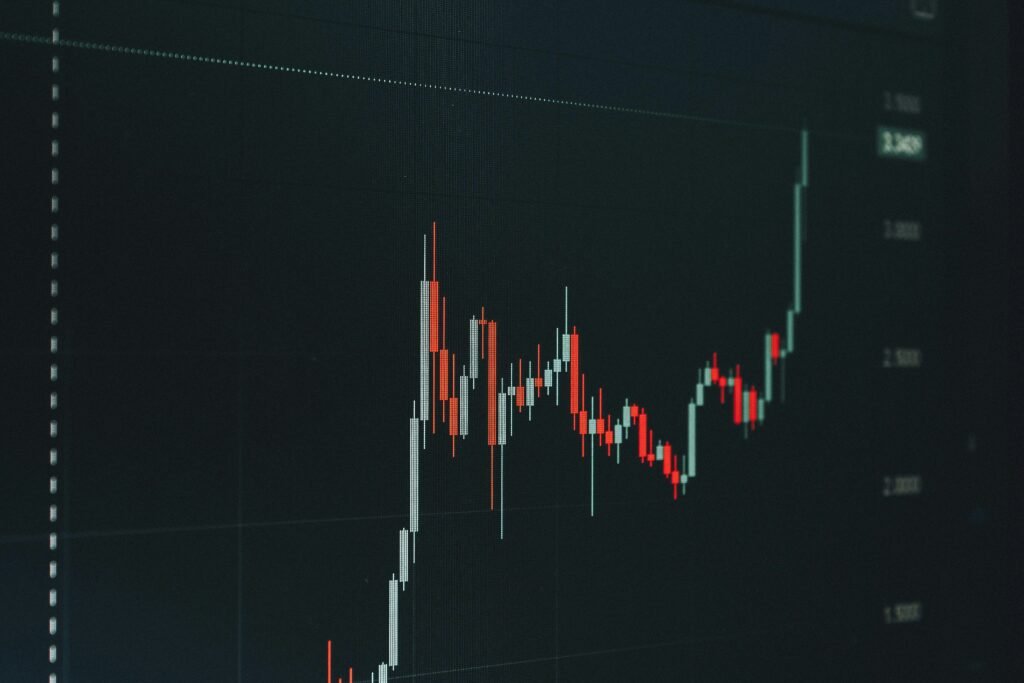
The NQ moves fast enough to punish hesitation and fake confidence in the same five-minute candle. That is why an NQ signal software review should not obsess over colorful arrows or dramatic win-rate screenshots. The real question is simpler: does the software give you a clear, repeatable decision process when Nasdaq futures start ripping, reversing, or chopping traders to pieces?
If you trade NQ on TradingView, especially inside a prop firm evaluation, you do not need another pile of indicators fighting for attention. You need a system that tells you what setup matters, where the trade is invalid, and where profits can reasonably be taken. Drop the nonsense and noise. Judge signal software by whether it creates disciplined execution.
What NQ Signal Software Must Actually Do
A signal is only useful if it reduces a meaningful decision. “Bullish” or “bearish” is not a complete trading plan. NQ can be bullish on a higher timeframe and still punish a long entry taken at the top of a short-term expansion. Good software needs context, timing, and defined risk.
For an active futures trader, that means the chart should help answer three questions immediately: Is there a valid entry here? Where is the stop? Where is the logical target? If the tool cannot make those decisions clearer, it is decoration, not trading software.
The best NQ signal tools organize price action into rules-based setups rather than encouraging endless interpretation. That matters because most struggling traders are not short on opinions. They are short on a process they can execute the same way when the market is moving and adrenaline is high.
A useful platform should also fit the way you already trade. For TradingView users, visual signals, levels, and clear chart labels are more practical than a complicated external dashboard that forces you to stitch together multiple platforms. Speed matters for scalpers. So does not having to translate ten conflicting alerts into one trade decision.
NQ Signal Software Review: What to Look For
Start with entries. A credible signal package should define what triggers a trade, not merely mark every possible reversal zone after the move has happened. You should know whether the setup requires a trend condition, a pullback, a break, a reclaim, or a momentum confirmation. The more specific the rules, the easier it is to review your execution afterward.
Then inspect the risk framework. This is where plenty of flashy software falls apart. A buy or sell marker without a stop location leaves the most expensive part of the trade entirely up to emotion. Traders tell themselves they will manage risk manually, then widen the stop when NQ spikes against them. That is how one bad trade becomes a failed evaluation.
Targets matter too, but not because every target will be hit. Their job is to prevent greed from taking over once a position is green. Predefined target areas give you a structure for scaling, moving stops, or closing the trade according to rules. You can adjust the plan as your experience grows, but you need a plan before you enter.
Finally, look at signal frequency. More alerts do not mean more opportunity. NQ provides enough movement during the US session without taking every wiggle. A tool that fires constantly may make a trader feel busy while quietly training them to overtrade. For many prop firm traders, fewer qualified setups with controlled risk are far more valuable than a screen full of arrows.
The Real Trade-Off: Automation vs. Responsibility
Signal software can make decisions faster. It cannot take responsibility for them.
That distinction matters. No indicator knows your daily loss limit, your contract size, whether you are trading during a major news release, or whether you have already taken three frustrated trades this morning. The software can provide the structure. You still have to follow it.
Be cautious with anything marketed as a money-printing machine or a guaranteed path to payouts. NQ is volatile. Slippage happens, liquidity changes, and the clean setup you expected can fail in seconds. A serious trading tool should help you define risk before the entry, not make you forget that risk exists.
This is also why backtested results need context. A backtest can show whether rules had merit under specific historical conditions. It cannot prove you will execute those rules perfectly in real time. Ask how signals behave in trend days, range days, opening volatility, lunch-hour chop, and news-driven sessions. If a strategy only looks good in one type of market, that is not automatically a deal breaker. It simply means you need to know when to stand aside.
Why NQ Traders Get Stuck With Signal Tools
Most traders do not fail because they lack indicators. They fail because they keep changing indicators before they have collected enough clean data to evaluate one process.
They buy a tool, take two losses, then abandon it for the next “can’t miss” setup. Or they stack moving averages, oscillators, volume tools, market structure labels, and social-media alerts until the chart becomes a negotiation. By the time everything agrees, the move is gone.
The fix is not blind faith in software. It is a narrower workflow. Use one defined setup. Trade it at a consistent time of day. Use the same risk model. Record whether you followed the plan, not just whether the trade won. After a meaningful sample of trades, you will have evidence instead of emotion.
That is the appeal of a rules-based approach. It gives the newer trader a starting point and gives the experienced trader a way to remove unnecessary hesitation. Quantum Navigator is built around that idea: TradingView-based signals paired with predefined entries, stops, and targets so the chart has a job to do instead of becoming another source of confusion.
Is Signal Software a Good Fit for Prop Firm Traders?
It can be, provided the software supports the rules of the account rather than encouraging oversized bets. Prop firm traders live and die by drawdown control. A strategy that needs wide stops, frequent averaging down, or heroic recovery trades may be a poor match even if it has occasional huge winners.
For this audience, the right software emphasizes selectivity. You want setups that can be traded with a defined stop, a realistic target, and position sizing that respects the account’s loss limits. You also want the discipline to skip trades after your daily goal or loss threshold is reached. Software does not replace those guardrails, but it can make them easier to follow.
Before using any NQ signal system in an evaluation, spend time in simulation or with the smallest sensible size. Learn what a valid signal looks like in live conditions. Learn how often price tags the stop before moving. Learn whether the setup performs better during the open, after the first pullback, or later in the morning. That education is not optional. It is the difference between using a tool and depending on one.
A Straight Answer Before You Buy
NQ signal software is worth considering if you are tired of guessing at entries and want a more structured TradingView workflow. It is not worth buying if you expect it to remove losses, override poor risk management, or turn random trading into a business overnight.
Look for clear entry logic, visible stop and target guidance, sensible signal frequency, and a method you can explain in plain English. Avoid tools that hide behind vague “AI” language, endless settings, or screenshots with no explanation of how the trade was managed. Simple does not mean simplistic. Simple means you can see the setup, understand the risk, and execute without freezing.
The next time NQ starts moving, do not ask your chart for another opinion. Ask whether it has given you a complete trade plan. If the answer is no, wait. Protecting capital is often the cleanest signal you will get.