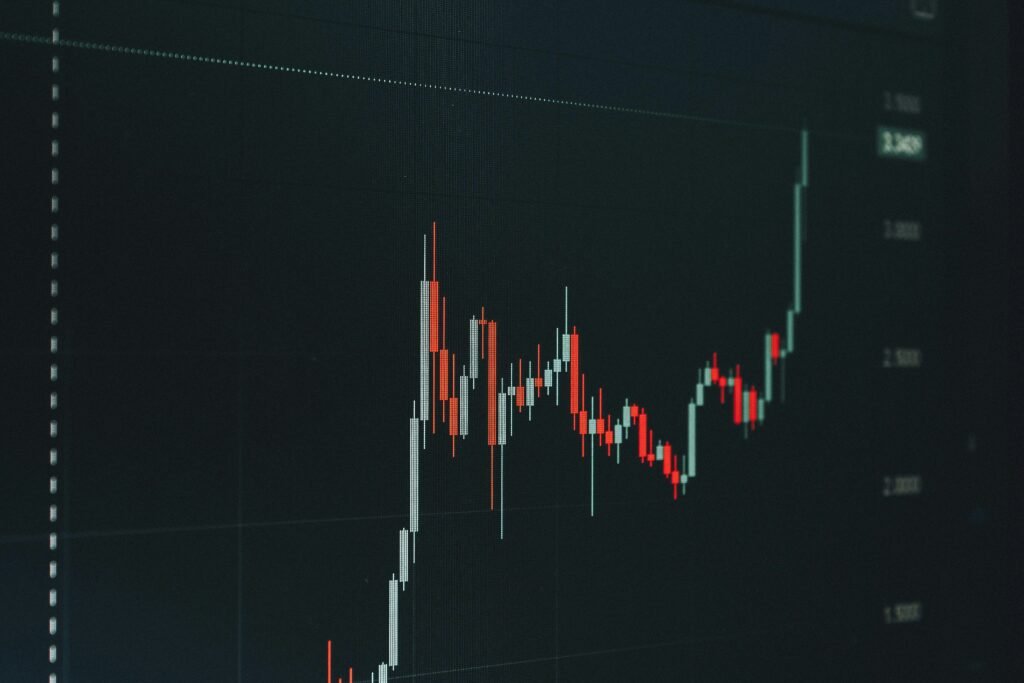
If you are trading NQ at 1:17 PM Eastern because you feel like you need action, you are probably feeding chop, not building a business.
That is the hard truth. NQ futures can move fast enough to make a morning and wild enough to wreck a week. The traders who last are not taking random swings all day. They know the best time to trade NQ futures, and just as important, they know when to stay out.
NQ rewards structure. It punishes boredom trades, revenge entries, and late-session guessing. So let’s drop the nonsense and noise and get specific about when this market tends to offer the cleanest opportunity.
The best time to trade NQ futures for most day traders
For most retail day traders and scalpers, the best time to trade NQ futures is between 9:30 AM and 11:30 AM Eastern.
That window captures the US cash session open, when volume floods in and institutions show their hand. You get better liquidity, stronger directional moves, and cleaner reactions at key levels. If you trade a rules-based setup, this is where NQ often gives the best mix of momentum and follow-through.
The first 30 minutes can be explosive. That is good if you have a tested process and bad if you are guessing. After the initial burst, the market often settles into more readable rotations. For many traders, 10:00 AM to 11:30 AM is the sweet spot because the opening chaos has cooled a bit, but the order flow is still active.
If you are newer, this matters. You do not need to trade every hour the market is open. You need a time block that gives your setup the highest odds of working without forcing marginal trades.
Why the open matters so much
NQ is heavily tied to big tech and growth names, so it reacts quickly to overnight positioning, earnings sentiment, economic data, and broad risk appetite. When the cash market opens at 9:30 AM Eastern, that overnight pressure finally gets repriced with full participation.
That is why you often see sharp moves off premarket highs and lows, opening range breakouts, and fast reversals from major support and resistance. This is where many of the day’s biggest moves begin.
But there is a trade-off. The open gives opportunity, and it also gives emotional traps. Candles are larger. Pullbacks can be shallow. Stops need room, but not sloppy room. If you do not have entry criteria, stop placement rules, and a defined target framework, the open will chew you up.
This is exactly why serious traders stop bouncing from indicators and start using a structured process. Fast markets demand clarity.
The second strong window: afternoon momentum
There is another period worth watching if you miss the morning or only trade part-time. From roughly 2:00 PM to 4:00 PM Eastern, NQ can become active again.
This is not always as clean as the morning, but it can produce excellent moves. By this point, the market has often finished its midday drift and starts setting up for the close. Institutions rebalance, trend days continue, and range-bound sessions sometimes finally break.
For experienced traders, the last two hours can be profitable because levels are more established and the day’s narrative is clearer. You are no longer trying to interpret the opening burst. You can see whether buyers or sellers actually controlled the session.
Still, not every afternoon is worth touching. Some days the market is done by 1:00 PM and the rest is random grind. Other days the best move does not show up until after 2:30 PM. That is why time alone is not enough. You need time plus setup quality.
The worst time to trade NQ futures
If you want a simple filter, be very careful from about 11:30 AM to 1:30 PM Eastern.
This is where a lot of traders give back their morning gains. Volume often drops. Price can float between levels without conviction. Breakouts fail. Reversals stall. You get movement, but not always meaningful movement.
That does not mean nothing ever works at midday. News events can hit, trend days can continue, and some traders specialize in slow rotations. But for the average retail trader, this is where overtrading shows up.
You start forcing entries because the chart is moving a little. You lower your standards. You widen your stop because it almost worked. That is not discipline. That is account damage disguised as effort.
If your goal is consistency, cutting out the dead zone can improve results faster than adding another indicator.
Best time to trade NQ futures by trader style
The right answer depends on how you trade.
If you are a scalper, the open is usually your best opportunity. Fast momentum, strong reactions, and heavier volume can create quick entry-to-target moves. You need precision, but the payoff is that NQ actually moves enough to make scalping worth it.
If you are a trend-following intraday trader, the period after the opening shakeout can be stronger. Around 10:00 AM to 11:30 AM Eastern, trends often become easier to define. This gives you a better chance to enter with structure instead of chasing a spike.
If you are trading around prop firm rules or tight drawdown limits, quality matters more than quantity. In that case, waiting for the market to establish direction before engaging can make a lot of sense. A clean setup at 10:15 AM is better than three impulsive losses at 9:31, 9:36, and 9:42.
If you trade part-time and can only be at the screen later, the afternoon session can still work. Just be honest about the conditions. Do not expect every afternoon to produce a morning-style move.
What economic news changes
Scheduled news can completely shift the best time to trade NQ futures.
On CPI, FOMC, Nonfarm Payrolls, or major Fed speech days, the usual rhythm changes. You might get a fake move at the open, a dead pause before the release, and then violent expansion once the news hits. On those days, trading the normal morning window without adjusting can be a mistake.
Sometimes the best trade is to wait. Let the release hit. Let the first overreaction print. Then look for the real move once the market chooses direction.
This is where many traders lose money unnecessarily. They know the clock, but they ignore the context. Time of day matters, but market conditions always matter more.
How to know your personal best trading window
The market has a personality, and so do you.
Some traders are sharp at the open. Others make bad decisions in fast conditions and perform far better once the market settles down. There is no prize for trading the most hours. The real goal is finding the session where you execute best and your setup performs best.
Track your trades by time block. Break them into 9:30 to 10:00, 10:00 to 11:30, 11:30 to 1:30, and 2:00 to 4:00. After 20 to 30 trades in each window, patterns usually show up fast. You will often find that one block carries your profits while another quietly drains your account.
That kind of review kills fantasy. It replaces feelings with data.
And if you are using a rules-based TradingView workflow, this gets even easier because your entries, stops, and targets are already structured. You can focus on execution instead of reinventing your process every session. That is the whole point behind simplifying your trading rather than drowning in random signals. Quantum Navigator was built around that exact idea.
A simple rule that saves traders money
If you want one practical rule, use this: trade NQ when volume and intent are obvious, and stand aside when they are not.
Most of the time, that puts your attention on the US open and, on the right day, the final two hours. It pulls you away from midday chop and random low-quality action. It also forces you to stop treating screen time like productivity.
NQ does not pay you for effort. It pays you for precision.
The best time to trade NQ futures is usually when the market is active enough to move cleanly but not so chaotic that your rules disappear. For many traders, that means focusing hard on the morning session, staying selective in the afternoon, and refusing to donate money during dead hours.
You do not need more time in the market. You need better timing, cleaner rules, and the discipline to wait until your edge is actually on the screen.