Day trading, particularly in the futures market, presents a high-stakes environment with the potential for substantial profit. However, it also carries commensurate risks. This guide explores strategies and considerations for maximizing profits in day trading futures, emphasizing a disciplined, analytical approach.
Before delving into profit maximization, it’s crucial to grasp the fundamental nature of futures contracts. A futures contract is a legally binding agreement to buy or sell a commodity or financial instrument at a predetermined price at a specified time in the future. Unlike options, futures contracts create an obligation for both buyer and seller.
Key Characteristics of Futures
- Standardized: Futures contracts have standardized terms, including contract size, delivery date, and quality of the underlying asset. This standardization facilitates liquidity and ease of trading.
- Leverage: Futures trading involves significant leverage. A relatively small margin deposit can control a large contract value, amplifying both potential gains and losses. Understand that this leverage is a double-edged sword; it can accelerate your journey to profit, but also accelerate your capital depletion.
- Expiration Dates: Each futures contract has an expiration date, after which it ceases to trade. Traders must be aware of these dates to manage positions accordingly, either by closing them or rolling them over to the next contract month.
- Mark-to-Market: Futures accounts are “marked to market” daily. This means profits and losses are credited or debited to your account at the end of each trading day, reflecting the current market value of your positions. This daily accounting impacts your available margin.
Types of Futures Markets
Futures markets are diverse, offering exposure to various asset classes:
- Commodity Futures: These include agricultural products (e.g., corn, soybeans), energy (e.g., crude oil, natural gas), and metals (e.g., gold, silver).
- Financial Futures: This category encompasses equity index futures (e.g., S&P 500, Nasdaq 100), interest rate futures (e.g., Treasury bonds), and currency futures (e.g., Euro, Japanese Yen).
If you’re interested in exploring the intricacies of day trading futures, you might find the article on pricing strategies particularly insightful. It delves into various approaches to optimize your trading decisions and manage risks effectively. For more details, check out the article here: Day Trading Futures Pricing Strategies.
Developing a Robust Trading Plan
A well-defined trading plan is the cornerstone of successful day trading. Without one, you are merely a ship without a rudder, at the mercy of market currents. It provides structure, discipline, and a framework for decision-making.
Components of a Trading Plan
- Trading Strategy: Outline the specific methods you will employ to identify trading opportunities. This includes technical analysis (e.g., chart patterns, indicators), fundamental analysis (though less common in day trading), or a blend of approaches.
- Risk Management: This is arguably the most critical aspect. Define your maximum per-trade loss, daily loss limit, and overall account drawdown limits. Acknowledge that losses are an inherent part of trading. The goal is to manage them, not eliminate them.
- Entry and Exit Criteria: Clearly define the conditions that must be met to initiate a trade (entry) and to close a trade (exit). This includes profit targets and stop-loss levels.
- Position Sizing: Determine the appropriate number of contracts to trade based on your account size and risk tolerance. Never overleveraged; this path leads to forced liquidation.
- Trading Journal: Maintain a meticulous record of all your trades, including entry/exit points, rationale, emotions, and outcomes. This journal serves as a valuable tool for reviewing performance and identifying areas for improvement.
Backtesting and Forward Testing
Before deploying any strategy with real capital, rigorous testing is essential.
- Backtesting: Analyze historical market data to see how your strategy would have performed in the past. This provides statistical insights into its potential profitability and drawdown characteristics. However, past performance is not indicative of future results.
- Forward Testing (Paper Trading): Execute your strategy in a simulated environment using real-time market data. This allows you to gain practical experience without risking capital and refine your execution skills. Think of it as a flight simulator before piloting a real aircraft.
Risk Management: The Unyielding Foundation

No strategy, however sophisticated, can compensate for poor risk management. It is your shield against the market’s unpredictable blows.
Defining Your Risk Parameters
- Stop-Loss Orders: Always use stop-loss orders to limit potential losses on a trade. This is non-negotiable. Without a stop-loss, a small loss can quickly snowball into an insurmountable one.
- Maximum Daily Loss: Set a predetermined maximum amount you are willing to lose in a single trading day. If this limit is reached, cease trading for the day, regardless of potential opportunities.
- Position Sizing based on Risk: Never risk more than a small percentage of your total trading capital on any single trade (e.g., 1-2%). This prevents any one losing trade from significantly impacting your account. Assume that any individual trade has an equal chance of being a loser.
- Risk-Reward Ratio: Aim for trades where the potential profit (reward) is significantly greater than the potential loss (risk). A common guideline is to seek a 1:2 or 1:3 risk-reward ratio, meaning for every dollar you risk, you aim to make two or three dollars.
The Impact of Drawdowns
Understand the concept of drawdowns, which are periods of decline in your trading account equity. A series of losses, even small ones, can lead to a significant drawdown. Recovering from a substantial drawdown requires a disproportionately larger percentage gain. For example, a 50% drawdown requires a 100% gain to break even. This highlights the importance of preserving capital.
Technical Analysis and Strategy Implementation

Day trading futures often relies heavily on technical analysis to identify short-term trading opportunities.
Common Technical Analysis Tools
- Chart Patterns: Identify recurring patterns in price charts that suggest potential future price movements (e.g., head and shoulders, double tops/bottoms, flags, pennants).
- Indicators: Utilize mathematical calculations based on price and volume data to generate trading signals (e.g., Moving Averages, Relative Strength Index (RSI), MACD, Bollinger Bands). Do not rely solely on one indicator; use them in conjunction with other analysis.
- Support and Resistance: Identify price levels where selling or buying pressure is historically strong, acting as potential turning points.
- Volume Analysis: Analyze trading volume to confirm price trends and gauge the strength of market moves. High volume often confirms strong trends.
Scalping and Momentum Trading
These are two common day trading strategies in futures.
- Scalping: This involves executing a large number of trades, often holding positions for only seconds or minutes, to capture small price movements. Scalpers aim for high frequency and minimal per-trade profit, capitalizing on tight spreads. This strategy demands exceptional precision and quick decision-making.
- Momentum Trading: This strategy involves identifying assets that are experiencing strong price movement in a particular direction, often driven by news or market events. Traders enter positions in the direction of the momentum and exit when the momentum shows signs of weakening.
Day trading futures can be an exciting yet challenging endeavor for traders looking to capitalize on market fluctuations. For those interested in enhancing their strategies and understanding the nuances of this trading style, a related article can provide valuable insights. You can explore more about effective techniques and tips in this informative piece on day trading futures, which covers essential concepts and practical advice to help you navigate the complexities of the futures market.
The Psychological Dimension of Day Trading
| Metric | Description | Typical Value/Range | Importance |
|---|---|---|---|
| Average Daily Volume | Number of contracts traded per day | 50,000 – 500,000 contracts | High – indicates liquidity |
| Average Daily Range | Typical price movement range within a day | 0.5% – 2% of contract value | High – affects profit potential |
| Leverage | Ratio of contract value to margin required | 10:1 to 20:1 | High – increases risk and reward |
| Commission per Contract | Fee charged per futures contract traded | 1 – 5 per contract | Medium – impacts profitability |
| Margin Requirement | Initial deposit required to open a position | 3,000 – 10,000 | High – affects capital allocation |
| Win Rate | Percentage of profitable trades | 40% – 60% | Medium – indicates strategy effectiveness |
| Risk-Reward Ratio | Ratio of potential profit to potential loss per trade | 1:1.5 to 1:3 | High – critical for long-term success |
| Average Holding Time | Duration a position is held during the day | Minutes to a few hours | Medium – affects exposure and risk |
The human element is a critical, and often underestimated, factor in day trading success. Emotional control is as important as any technical skill.
Cultivating Trading Discipline
- Adherence to Plan: The most formidable enemy often resides between your ears. Strict adherence to your trading plan is crucial. Avoid impulsive decisions driven by fear (of missing out, FOMO) or greed.
- Emotional Detachment: View each trade as an independent event. Do not let previous wins inflate your ego or previous losses cloud your judgment. The market is impartial to your financial state or emotional well-being.
- Patience: Not every market condition is conducive to profitable trading. Sometimes, the most profitable action is no action at all. Wait for clear opportunities that align with your strategy.
- Acceptance of Losses: Losses are an inevitable part of trading. Embrace them as learning experiences and avoid trying to “get back at the market” after a losing streak. This revenge trading often leads to further losses.
Managing Stress and Burnout
The high-pressure environment of day trading can be mentally taxing.
- Breaks: Take regular breaks throughout the trading day to clear your mind and prevent fatigue.
- Work-Life Balance: Do not let trading consume your entire life. Maintain hobbies and relationships outside of trading to provide perspective and emotional balance.
- Physical Well-being: Ensure adequate sleep, nutrition, and exercise. A healthy body often supports a healthy mind, which is essential for peak trading performance.
Technology and Brokerage Considerations
The right tools and infrastructure are vital for efficient and effective day trading.
Trading Platforms
- Reliability and Execution Speed: Choose a trading platform with high reliability and fast order execution. In day trading, every millisecond can matter, especially with strategies like scalping.
- Charting Tools: The platform should offer robust charting capabilities with various indicators, drawing tools, and customizable layouts.
- Order Types: Ensure the platform supports a wide range of order types, including market orders, limit orders, stop-loss orders, and bracket orders.
- Data Feeds: Access to real-time, reliable market data is non-negotiable.
Brokerage Selection
- Commissions and Fees: Compare commission structures and other fees (e.g., data fees, platform fees) across different brokers. Lower costs can significantly impact your net profitability over many trades.
- Margin Requirements: Understand the initial and maintenance margin requirements for the futures contracts you intend to trade.
- Customer Support: Responsive and knowledgeable customer support can be invaluable, especially when encountering technical issues.
- Regulatory Compliance: Ensure the broker is regulated by relevant authorities (e.g., CFTC in the US, FCA in the UK) to protect your interests.
Hardware and Internet Connectivity
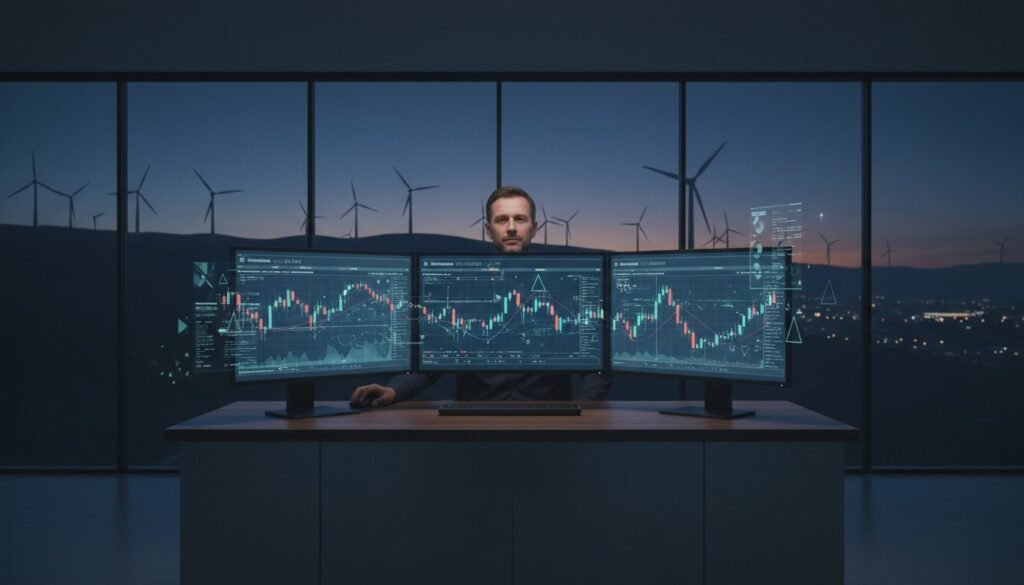
- Multiple Monitors: Many day traders utilize multiple monitors to simultaneously view charts, order books, and news feeds.
- High-Speed Internet: A fast and stable internet connection is paramount to ensure uninterrupted data flow and order execution. Consider a backup internet solution if possible.
- Reliable Computer: A powerful and reliable computer system minimizes latency and optimizes analytical capabilities.
Maximizing profits in day trading futures is an endeavor that demands continuous learning, rigorous discipline, and an unwavering commitment to risk management. There is no secret formula for guaranteed riches, only a methodical approach combined with emotional fortitude. Treat day trading as a business, not a gamble, and approach it with the seriousness it commands. The market is an unforgiving arena; preparation is your best defense.
FAQs
What is day trading futures?
Day trading futures involves buying and selling futures contracts within the same trading day, aiming to profit from short-term price movements in various markets such as commodities, indices, or currencies.
What are futures contracts?
Futures contracts are standardized agreements to buy or sell a specific asset at a predetermined price on a set future date. They are commonly used for hedging or speculative purposes in financial markets.
What markets can you trade futures in?
Futures can be traded in a variety of markets including commodities (like oil, gold, and agricultural products), stock indices (such as the S&P 500), currencies, and interest rates.
What are the risks associated with day trading futures?
Day trading futures carries significant risks including high volatility, leverage-related losses, and the potential for rapid financial loss. It requires careful risk management and a solid understanding of the markets.
What tools or platforms are commonly used for day trading futures?
Traders typically use specialized trading platforms that offer real-time data, charting tools, and fast order execution. Popular platforms include NinjaTrader, Thinkorswim, and Interactive Brokers.